

Uncensored Free Speech Platform

The Structure of the Constitution
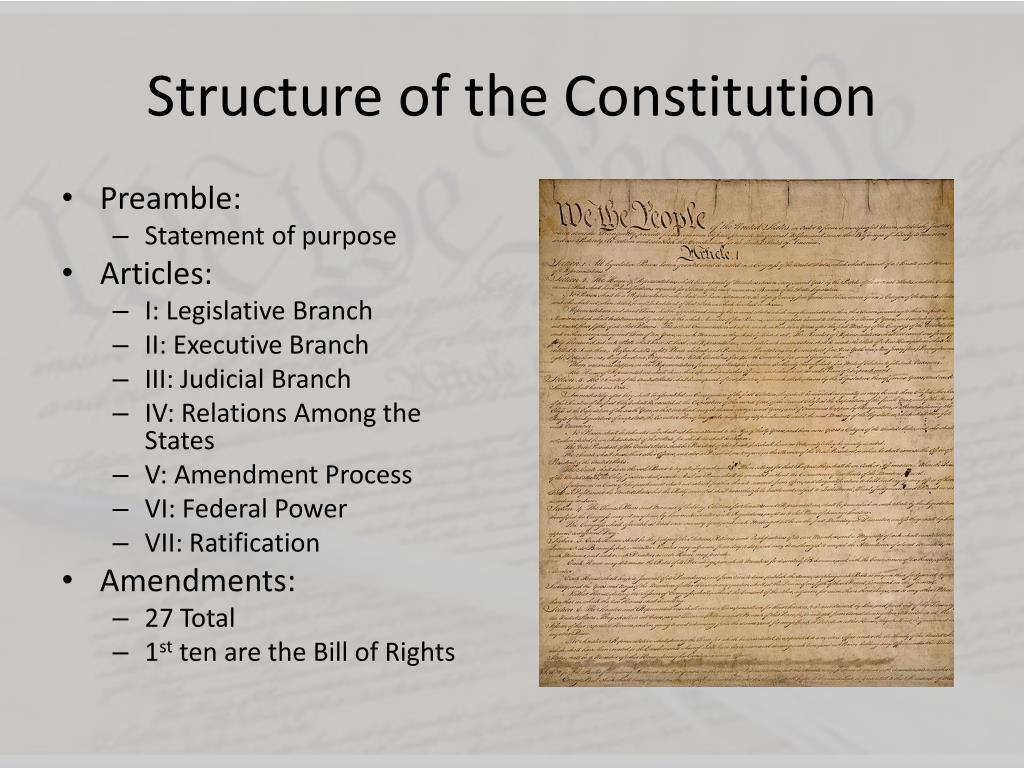
The Structure of the Constitution
Articles I–VII and How the Government Is Built
After explaining why the Constitution exists and what principles guide it, the Founders turned to structure.
The Constitution does not describe government vaguely. It organizes power deliberately, dividing responsibility, authority, and limits across seven Articles. Each Article serves a specific purpose, and together they form the operating framework of the United States government.
Why the Articles Matter
The Articles are where philosophy becomes function.
They:
-
Create the branches of government
-
Define their powers and limits
-
Explain how states and the federal government interact
-
Provide methods for change and continuity
Without the Articles, the Constitution would be an idea without machinery.
Article I
The Legislative Branch (Congress)

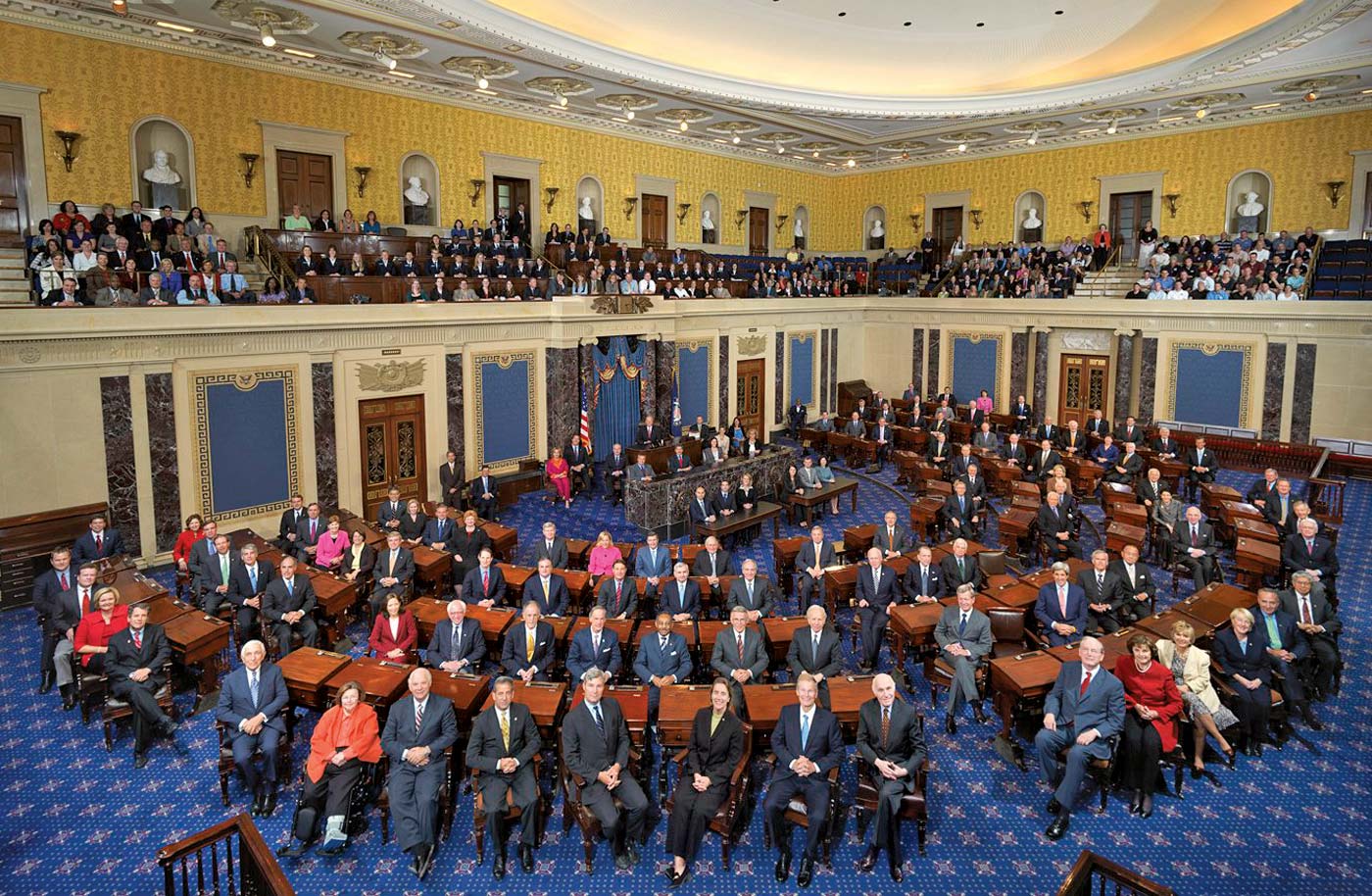
Article I establishes Congress, the lawmaking branch, and intentionally places it first.
Congress is divided into two chambers:
-
House of Representatives — represents the people
-
Senate — represents the states
This Article grants Congress the power to:
-
Make laws
-
Levy taxes
-
Regulate commerce
-
Declare war
It also limits Congress, reflecting the Founders’ fear of unchecked legislative power.
Article II
The Executive Branch (The President)


Article II creates the executive branch, headed by the President.
The President’s role is to:
-
Enforce laws passed by Congress
-
Serve as Commander in Chief
-
Conduct foreign policy
-
Appoint federal officials and judges
This Article balances authority with accountability through elections, impeachment, and term limits (added later by amendment).
Article III
The Judicial Branch (The Courts)


Article III establishes the judicial branch, including the Supreme Court.
Its purpose is to:
-
Interpret laws
-
Resolve disputes
-
Ensure laws align with the Constitution
Judges serve during “good behavior,” protecting judicial independence from political pressure.
Article IV
The States and the Union


Article IV governs relationships between states and between states and the federal government.
It ensures:
-
States respect each other’s laws
-
Citizens are treated fairly when traveling between states
-
New states can be admitted to the Union
This Article reinforces national unity while preserving state identity.
Article V
Amending the Constitution


Article V provides a way to change the Constitution without breaking it.
Amendments require:
-
Broad national agreement
-
Approval by both federal and state governments
This process ensures stability while allowing adaptation over time.
Article VI
National Supremacy


Article VI establishes that:
-
The Constitution is the supreme law of the land
-
Federal law overrides conflicting state law
-
Public officials must swear an oath to support the Constitution
This prevents fragmentation and reinforces national authority.
Article VII
Ratification

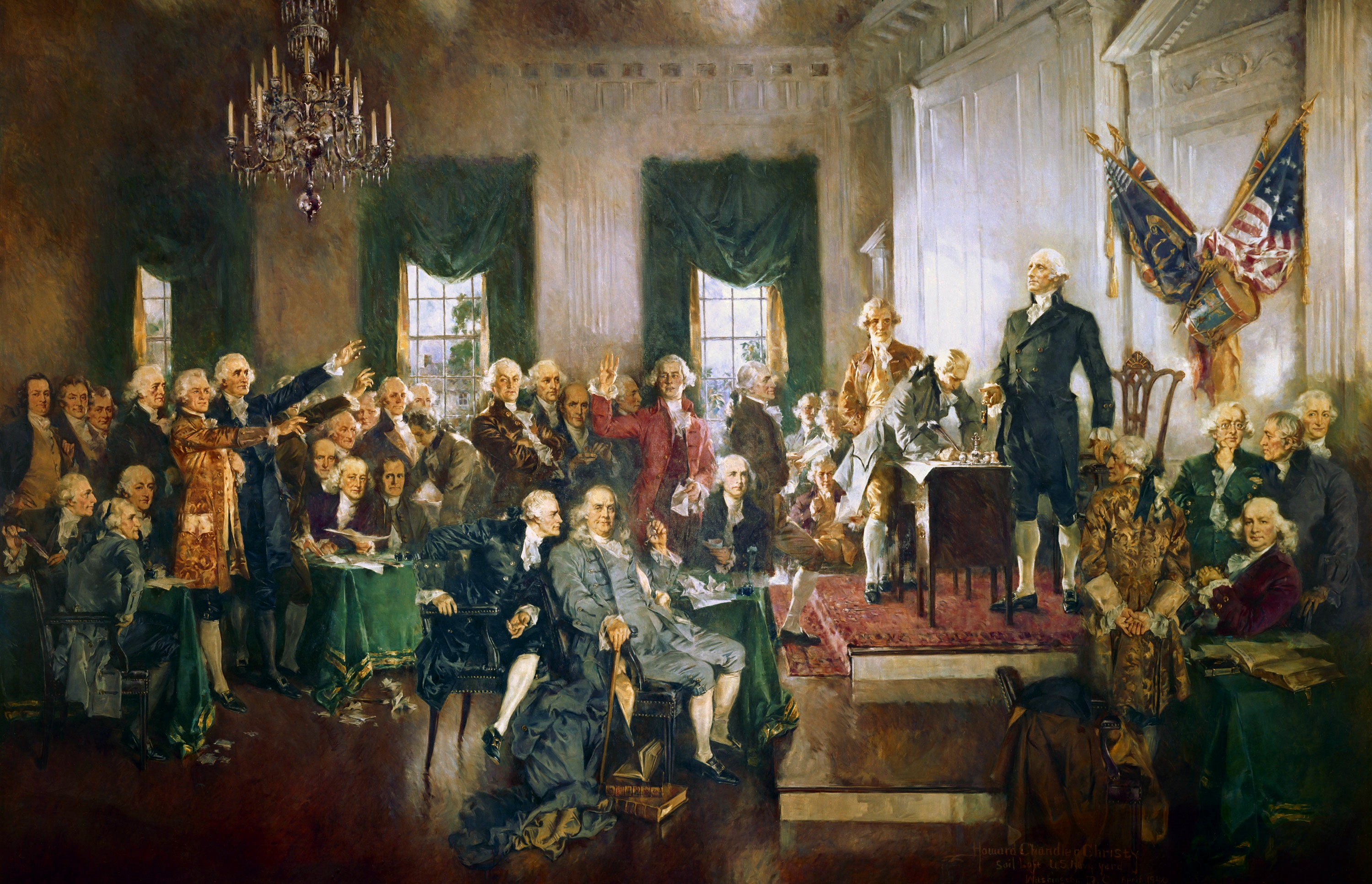
Article VII explains how the Constitution would take effect.
Ratification by nine states was required — a deliberate balance between unanimity and practicality.
Once ratified, the Constitution replaced the Articles of Confederation entirely.
📊 Articles at a Glance
| Article | Purpose |
|---|---|
| I | Legislative Branch (Congress) |
| II | Executive Branch (President) |
| III | Judicial Branch (Courts) |
| IV | States & National Unity |
| V | Amendments |
| VI | Supremacy of Federal Law |
| VII | Ratification |
❓ Quick Knowledge Check
-
Which Article creates Congress?
➡️ Article I -
Which branch enforces laws?
➡️ Executive (Article II) -
Which Article explains how the Constitution can be changed?
➡️ Article V -
Which Article makes the Constitution supreme law?
➡️ Article VI
✍️ Reader Reflection
Why do you think the Founders placed the legislative branch first?
What does that reveal about their concerns?
🧾 Final Thoughts
The Constitution’s strength lies in its structure. By carefully assigning powers, limiting authority, and allowing for change, the Articles transform revolutionary ideals into a durable system of governance — one that has endured for more than two centuries.
📌 Coming Next
The Legislative Branch in Depth:
Why Congress Holds the Most Power (Article I Explained)

