

Uncensored Free Speech Platform

The Preamble: An Introduction, not a Law
Why the Preamble Matters
Understanding the Purpose of the U.S. Constitution
The United States Constitution does not begin with laws, powers, or offices. It begins with an explanation.
The Preamble was written to answer a single, foundational question:
Why does this Constitution exist?
Though short, the Preamble defines the philosophy behind American government and establishes the principles that guide every article and amendment that follows.
The Preamble: An Introduction, Not a Law
The Preamble serves as the opening statement of the Constitution. It does not grant authority, create offices, or establish rights. Instead, it explains the intent of the document and the goals the new government was designed to achieve.
Its role is interpretive — courts and scholars look to it to understand purpose, not power.
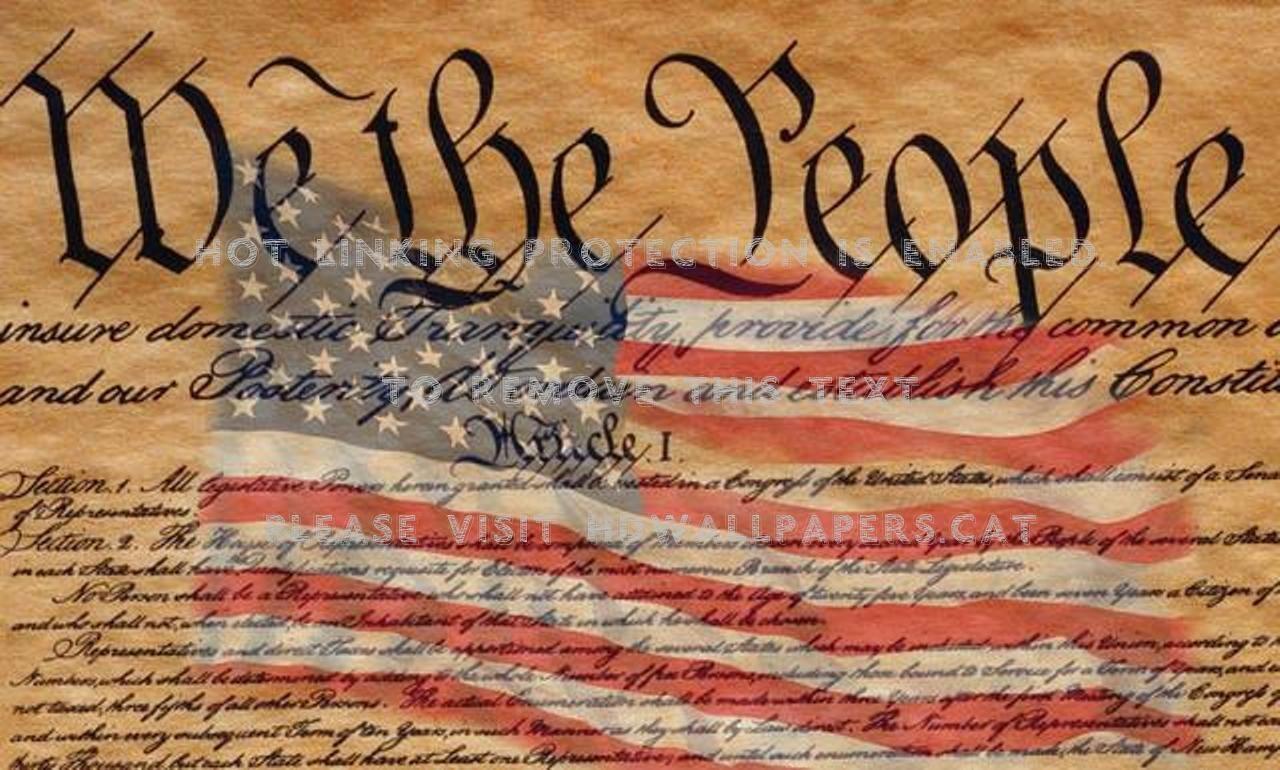
“We the People”: A Radical Source of Authority


The opening words, “We the People,” mark a decisive break from monarchy and inherited rule.
Sovereignty does not rest with a king, Congress, or the states.
It rests with the people themselves.
This principle — popular sovereignty — establishes that government exists only by the consent of the governed.
The Six Goals of the Constitution
The Preamble identifies six objectives the new government must pursue.
⚖️ Establish Justice
Justice requires fair laws, impartial courts, and equal treatment under the law. This goal reflects the Founders’ belief that liberty cannot survive without a stable legal system.
🕊️ Insure Domestic Tranquility


Domestic tranquility refers to peace within the nation. Recent rebellions and unrest had shown that disorder threatened freedom just as much as tyranny.
A government unable to maintain internal peace cannot protect rights.
🛡️ Provide for the Common Defence
National defense ensures protection from foreign threats. Under the Articles of Confederation, the federal government lacked the ability to adequately defend the nation.
The Constitution corrected this weakness.
🌱 Promote the General Welfare


This phrase reflects the responsibility of government to support the overall well-being of society — economically, socially, and structurally.
It was not intended to grant unlimited power, but to justify actions that benefit the nation as a whole.
🗽 Secure the Blessings of Liberty


Liberty is not temporary. The Constitution was designed to protect freedom not only for those living at the time, but for future generations — referred to as posterity.
What the Preamble Does Not Do
-
It does not grant legal rights
-
It does not assign governmental powers
-
It does not override the Articles or Amendments
Its value lies in defining why the government exists — not how it operates.
❓ Quick Knowledge Check
-
Who holds ultimate authority under the Constitution?
➡️ The people -
Which phrase refers to peace within the nation?
➡️ Domestic Tranquility -
Does the Preamble grant legal powers?
➡️ No -
Why is the Preamble important?
➡️ It explains the purpose of the Constitution
✍️ Reader Reflection
How do you think the goals listed in the Preamble apply to modern America?
We welcome thoughtful discussion and differing viewpoints.
🧾 Final Thoughts
The Preamble frames the Constitution as a balancing act — strong enough to govern, restrained enough to preserve freedom. It reminds us that power originates with the people and must always serve liberty, justice, and the common good.
📌 Coming Next
Core Constitutional Principles:
Popular Sovereignty, Federalism, and Separation of Powers

